Introduction to Korean Mandu (Dumplings)
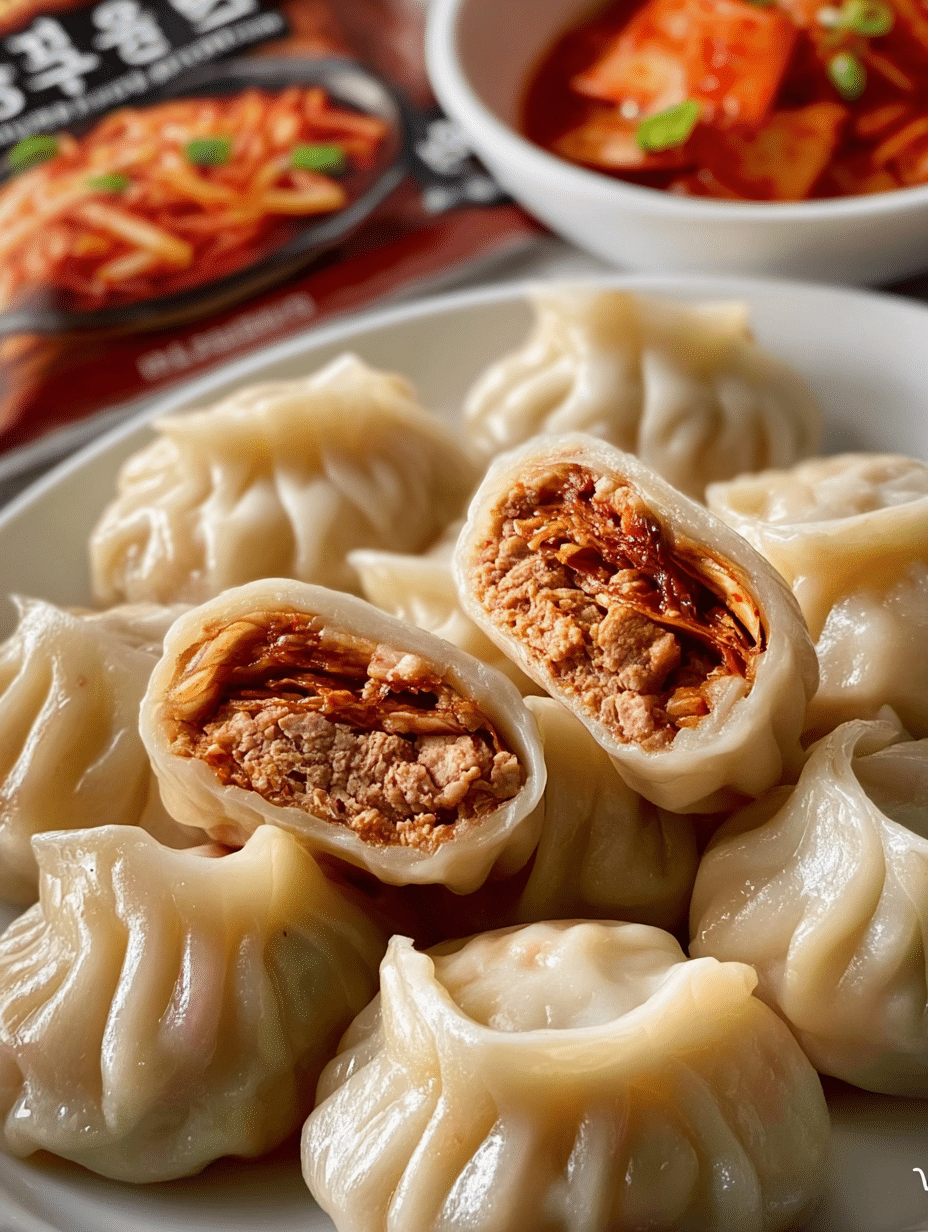
Welcome to the delightful world of Korean Mandu! These little pockets of joy are not just dumplings; they’re a warm hug on a plate. Whether you’re looking for a quick solution for a busy day or a dish to impress your loved ones, Korean Mandu fits the bill perfectly. With their savory filling and tender wrappers, they’re a crowd-pleaser at any gathering. Plus, making them can be a fun family activity! So, roll up your sleeves, and let’s dive into this culinary adventure together!
Why You’ll Love This Korean Mandu (Dumplings)
Korean Mandu are not just delicious; they’re incredibly versatile! You can whip them up in no time, making them perfect for busy weeknights or spontaneous gatherings. The combination of flavors is simply irresistible, with each bite bursting with savory goodness. Plus, they’re a fantastic way to sneak in some veggies, making them a hit with both kids and adults. Trust me, once you try them, you’ll be hooked!
Ingredients for Korean Mandu (Dumplings)
Gathering the right ingredients is the first step to creating these delightful Korean Mandu. Here’s what you’ll need:
- Ground Pork: The star of the filling! You can also use beef, chicken, or a mix for different flavors.
- Napa Cabbage: This adds a lovely crunch and sweetness. Make sure to chop it finely for even distribution.
- Salt: Just a sprinkle over the cabbage helps draw out moisture, enhancing its flavor.
- Kimchi: A must for that authentic Korean taste! It brings a spicy kick and tangy flavor to the mix.
- Firm Tofu: Crumbled tofu adds a creamy texture and balances the meatiness of the filling.
- Green Onions: These add a fresh, mild onion flavor that brightens up the filling.
- Garlic: Minced garlic is essential for that aromatic punch that makes everything better.
- Soy Sauce: This adds depth and umami, tying all the flavors together beautifully.
- Sesame Oil: A drizzle of this fragrant oil gives the dumplings a nutty richness.
- Grated Ginger: Just a hint of ginger adds warmth and a slight zing to the filling.
- Black Pepper: A dash of black pepper enhances the overall flavor without overpowering it.
- Dumpling Wrappers: Look for round mandu skins at your local Asian market or grocery store.
- Water: You’ll need this for sealing the dumplings, ensuring they stay packed with flavor.
- Oil: Optional for pan-frying, giving the dumplings a crispy, golden exterior.
- Dipping Sauce Ingredients: Soy sauce, rice vinegar, and sesame oil make a perfect accompaniment. Feel free to add chili for some heat!
- Optional Ingredients: Customize your filling with your favorite veggies or proteins. The possibilities are endless!
For exact measurements, check the bottom of the article where you can find everything available for printing.
How to Make Korean Mandu (Dumplings)
Now that we have our ingredients ready, let’s dive into the fun part: making Korean Mandu! Follow these simple steps, and you’ll be enjoying these delicious dumplings in no time.
Prepare the Cabbage
Start by sprinkling salt over the finely chopped napa cabbage. This step is crucial! Let it sit for about 10 minutes. The salt will draw out excess moisture, enhancing the flavor and texture of the cabbage.
Once the time is up, grab a clean kitchen towel or your hands and squeeze out the moisture. You want the cabbage to be dry but still tender. This will prevent your filling from becoming soggy.
Make the Filling
In a large mixing bowl, combine the ground pork, cabbage, kimchi, crumbled tofu, green onions, minced garlic, soy sauce, sesame oil, grated ginger, and black pepper. This is where the magic happens!
Mix everything together until well combined. I like to use my hands for this part; it’s the best way to ensure all the flavors meld together. Trust me, the aroma will make your mouth water!
Shape the Dumplings
Now comes the fun part—shaping the dumplings! Take a dumpling wrapper and place about a spoonful of filling in the center. Don’t overfill; you want to be able to seal them properly.
Dip your finger in water and moisten the edge of the wrapper. This helps create a good seal. Fold the wrapper in half, pressing the edges together firmly. If you’re feeling fancy, you can pleat the edges for that traditional mandu look!
Cook the Mandu
There are three delicious ways to cook your mandu. Choose your favorite method:
- Boiling: Drop the dumplings into a pot of boiling water. Cook for about 4–5 minutes, or until they float to the top. This means they’re done!
- Steaming: Place the dumplings in a steamer basket over boiling water. Steam for about 10 minutes. This method keeps them soft and tender.
- Pan-frying (Gun-Mandu): Heat a bit of oil in a skillet. Cook the dumplings until the bottoms are golden brown. Then, add a splash of water, cover, and steam until cooked through. This gives them a crispy exterior!
Serve
To serve, mix soy sauce, rice vinegar, and sesame oil to create a simple dipping sauce. You can also sprinkle some chili flakes or sesame seeds on top for an extra kick!
Arrange your beautiful mandu on a plate, and watch everyone gather around. They won’t be able to resist!
Tips for Success
- Make sure to squeeze out as much moisture from the cabbage as possible to avoid soggy dumplings.
- Use a small bowl of water nearby for sealing the dumpling wrappers easily.
- Don’t overfill the wrappers; it’s better to err on the side of caution.
- Experiment with different fillings to find your favorite combination!
- Freeze any leftover mandu for a quick meal later on.
Equipment Needed
- Mixing Bowl: A large bowl for combining your filling. Any bowl will do!
- Steamer Basket: Perfect for steaming mandu. A metal colander works as a great alternative.
- Skillet: For pan-frying. A non-stick pan is ideal, but any skillet will work.
- Rolling Pin: If you’re making your own wrappers, a simple rolling pin is essential.
- Kitchen Towel: Handy for squeezing out moisture from the cabbage.
Variations of Korean Mandu (Dumplings)
- Vegetarian Mandu: Swap the meat for a mix of mushrooms, carrots, and bell peppers for a delicious plant-based option.
- Seafood Mandu: Use shrimp or crab meat instead of pork for a seafood twist that’s equally delightful.
- Spicy Mandu: Add more kimchi or a dash of gochujang (Korean chili paste) to the filling for an extra kick.
- Gluten-Free Mandu: Use gluten-free dumpling wrappers or make your own with rice flour for a gluten-free version.
- Breakfast Mandu: Incorporate scrambled eggs and spinach into the filling for a hearty breakfast treat.
Serving Suggestions for Korean Mandu (Dumplings)
- Pair your mandu with a side of steamed rice for a complete meal.
- Serve with a fresh cucumber salad to balance the richness of the dumplings.
- Enjoy with a chilled glass of Korean beer or soju for a delightful experience.
- Garnish with fresh cilantro or sesame seeds for an appealing presentation.
- Offer a variety of dipping sauces for guests to explore different flavors!
FAQs about Korean Mandu (Dumplings)
What are Korean Mandu?
Korean Mandu are delicious dumplings filled with a savory mixture of meat, vegetables, and spices. They can be boiled, steamed, or pan-fried, making them a versatile dish for any occasion.
Can I make Korean Mandu ahead of time?
Absolutely! You can prepare the filling and shape the dumplings in advance. Just store them in the fridge for a day or freeze them for later use. They make for a quick meal when you’re short on time!
What can I serve with Korean Mandu?
These dumplings pair wonderfully with a side of steamed rice, a fresh salad, or even a variety of dipping sauces. Soy sauce, rice vinegar, and sesame oil make a fantastic combination!
Are Korean Mandu gluten-free?
Traditional dumpling wrappers contain gluten, but you can find gluten-free options at many stores. Alternatively, you can make your own wrappers using rice flour for a gluten-free version!
How do I store leftover Korean Mandu?
Leftover mandu can be stored in an airtight container in the fridge for up to three days. For longer storage, freeze them, and they’ll be ready for a quick meal later on!
Final Thoughts
Making Korean Mandu is more than just cooking; it’s about creating memories and sharing joy with those you love. Each dumpling is a little bundle of happiness, filled with flavors that dance on your palate. Whether you’re enjoying them on a cozy night in or serving them at a gathering, they’re sure to bring smiles all around. Plus, the process of making them can be a delightful family activity, sparking laughter and creativity in the kitchen. So, gather your loved ones, roll up your sleeves, and let the magic of Korean Mandu fill your home with warmth and flavor!
Print
Korean Mandu (Dumplings): Discover Their Irresistible Flavor!
- Total Time: 45 minutes
- Yield: 4 servings 1x
- Diet: Gluten Free
Description
Korean Mandu are delicious dumplings filled with a savory mixture of meat, vegetables, and spices, perfect for any occasion.
Ingredients
- 1 lb ground pork (or beef, chicken, or a mix)
- 1 cup napa cabbage, finely chopped
- ½ tsp salt (for cabbage)
- ½ cup kimchi, finely chopped (squeezed of excess liquid)
- ½ cup firm tofu, crumbled and drained
- ½ cup green onions, finely chopped
- 2 garlic cloves, minced
- 1 tbsp soy sauce
- 1 tbsp sesame oil
- 1 tsp grated ginger
- ½ tsp black pepper
- 1 package round dumpling wrappers (mandu skins)
- Water, for sealing
- Oil, for pan-frying (optional)
- Soy sauce, for serving
- Rice vinegar, for serving
- Sesame oil, for serving
- Optional: chopped chili or red pepper flakes
Instructions
- Prepare the Cabbage: Sprinkle salt over chopped napa cabbage and let sit 10 minutes. Squeeze out excess moisture with your hands or a kitchen towel.
- Make the Filling: In a large bowl, combine pork, cabbage, kimchi, tofu, green onions, garlic, soy sauce, sesame oil, ginger, and black pepper. Mix until everything is well combined.
- Shape the Dumplings: Place 1 spoonful of filling in the center of a wrapper. Dip your finger in water and moisten the edge of the wrapper. Fold in half, pressing edges to seal. Pleat if desired for a traditional mandu look.
- Cook the Mandu: You can cook mandu in 3 ways: Boil: Drop dumplings into boiling water and cook 4–5 minutes until they float. Steam: Place dumplings in a steamer basket over boiling water for 10 minutes. Pan-fry (Gun-Mandu): Heat oil in a skillet, cook dumplings until bottoms are golden, then add a splash of water, cover, and steam until cooked through.
- Serve: Mix soy sauce, rice vinegar, and sesame oil to make a dipping sauce. Garnish with chili flakes or sesame seeds if desired.
Notes
- Feel free to customize the filling with your favorite vegetables or proteins.
- Leftover mandu can be frozen for later use.
- Adjust the spice level by adding more or less chili or red pepper flakes.
- Prep Time: 30 minutes
- Cook Time: 15 minutes
- Category: Appetizer
- Method: Boiling, Steaming, Pan-frying
- Cuisine: Korean
Nutrition
- Serving Size: 4 dumplings
- Calories: 250
- Sugar: 2g
- Sodium: 600mg
- Fat: 12g
- Saturated Fat: 3g
- Unsaturated Fat: 7g
- Trans Fat: 0g
- Carbohydrates: 30g
- Fiber: 2g
- Protein: 10g
- Cholesterol: 40mg